Tag Archives: Theology

On Resurrection and De-dustification

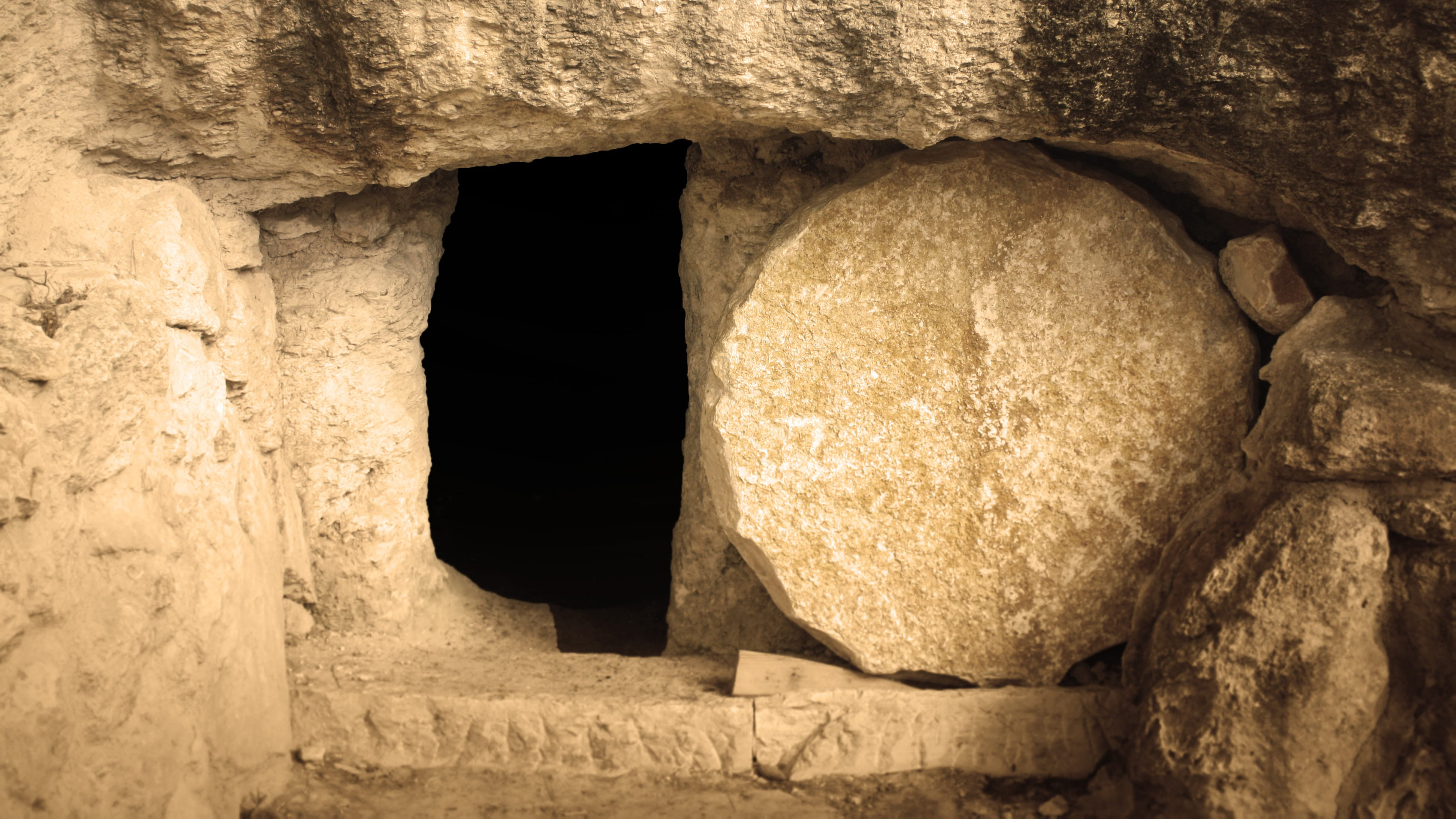
It is common in Biblical studies to suggest that the doctrine of the resurrection is a late development in Old Testament theology. Of course, the clearest Old Testament affirmation of this belief is found in Daniel 12.2, where we read, “Many who sleep in the dust of the earth will awake, some to eternal life, and some to disgrace and eternal contempt.” While the dating of Daniel is a much debated question, this verse certainly stands as a clear affirmation of the doctrine of a general resurrection possibly from as early as the exilic period. But is it possible that the doctrine of resurrection has a much longer presence in the Old Testament. I would suggest that it does, and I would base this suggestion, at least in part, on the words of David in Psalm 16, verse 10, where we read, “For you will not abandon me to Sheol; you will not allow your faithful one to see decay.” In this psalm, David is  seeking divine protection because he has remained loyal to God, and he is praising God for his rich blessings with full confidence God will vindicate him and deliver him from death.

Now, this particular verse is quoted twice in the in the Book of Acts in defense of the resurrection of Jesus, once by Peter in Acts 2.27, and once again by Paul in Acts 13.35. Of course, their appeal to this verse raises all kinds of questions regarding the interpretive methods of Luke and the other apostles, but suffice it to say here that there is no need to suggest that they have misinterpreted it. They haven’t read something into it that wasn’t actually there in the first place. No, they have rightly understood the implications of David’s words, and by way of typological prediction, they have applied these words to the Messianic Son of David, Jesus the Christ. David genuinely believed that that God could and would deliver him even from death, so while the doctrine of resurrection is not spelled out explicitly, we have ample reason to believe that David held some conception of physical life after death. This is why he says, “you will not allow your faithful one to see decay.”

However, Peter’s explanation here deserves our attention. In Acts 2.29, he says, “Brothers and sisters, I can confidently speak to you about the patriarch David: He is both dead and buried, and his tomb is with us to this day.” Likewise, Paul explains similarly in Acts 13.36-37, “For David, after serving God’s purpose in his own generation, fell asleep, was buried with his fathers, and decayed, but the one God raised up did not decay.” Jesus was only in the grave for three days; there simply wasn’t enough time for his physical body to see decay. But David’s bones turned to dust a long time ago, as it is written, “All are going to the same place; all come from dust, and all return to dust.” (Ecclesiastes 3.20) This dusty fate is part of God’s curse on human sin, as we read in Genesis 3.19, “For you are dust, and you will return to dust.” It is a fate that awaits us all. So, we must ask the question: was David wrong in his expectation that his body would not see decay? Was he wrong in his hope for a bodily resurrection?

The answer to these questions must be a resounding, “May it never be.” David was not wrong to believe that God could and would deliver him even from the depths of death itself, and even though his physical body has long returned to the dust from whence it came, one day, his body will be raised new, perfectly whole and completely glorified. This is the hope of resurrection; it is the hope of de-dustification. As the Apostle Paul writes in Romans 8.11, “And if the Spirit of him who raised Jesus from the dead lives in you, then he who raised Christ from the dead will also bring your mortal bodies to life through his Spirit who lives in you.” Or again, in Philippians 3.21, “He will transform the body of our humble condition into the likeness of his glorious body, by the power that enables him to subject everything to himself.” If God can create man from the dust and breath the breath (the Hebrew word is the same word sometimes translated Spirit) of life into him so that he becomes a living soul, then he can certainly raise our bodies from the dust and give them eternal physical life by His Spirit.

In other words, far from being some late postulate in Old Testament theology, the idea of resurrection has a long standing place in Old Testament thought. It goes back at least to the time of David and the monarchy, some 1000 years before the time of Daniel and the exile, and it possibly goes back farther than that (but that is a topic for another time.) The point here is simply the Christian hope, nay, the biblical hope, is for nothing less than the perfected glory of bodily resurrection. As Jesus himself says, “a time is coming when all who are in the graves will hear his voice and come out—those who have done good things, to the resurrection of life, but those who have done wicked things, to the resurrection of condemnation.” (John 5.28-29) Maranatha!

For further study, see:
On the Logic of the Resurrection
On Christian Hope: Heaven or Resurrection
On Resurrection and the Path of Glory

See also,
Chase, Mitchell L. Resurrection Hope and the Death of Death. Short Studies in Biblical Theology. Wheaton, IL: Crossway, 2022.


On Apocalyptic Eschatology and Christian Theology

In a frequently repeated statement, Ernst Käsemann famously said that “Apocalyptic was the mother of all Christian theology.” Not as well-known is that two years later, Käsemann clarified what he actually meant by “apocalyptic”: for him, it referred to “eschatology,” or in his words, “the expectation of an imminent Parousia.” Personally, I would define apocalyptic eschatology a bit more broadly. Apocalyptic eschatology is the belief that this present age is irredeemably corrupted by sin, that God is coming to intervene in a final judgment on the wicked, and that at that time he will vindicate the righteous and deliver them into a new of age of eschatological salvation that is both personal in the sense of resurrection and cosmic in the sense of renewal. The question remains, however, as to how this perspective might rightly be considered to be the “mother of all Christian theology,” and in the space that remains, I would simply like to offer a few brief explanations for this claim.

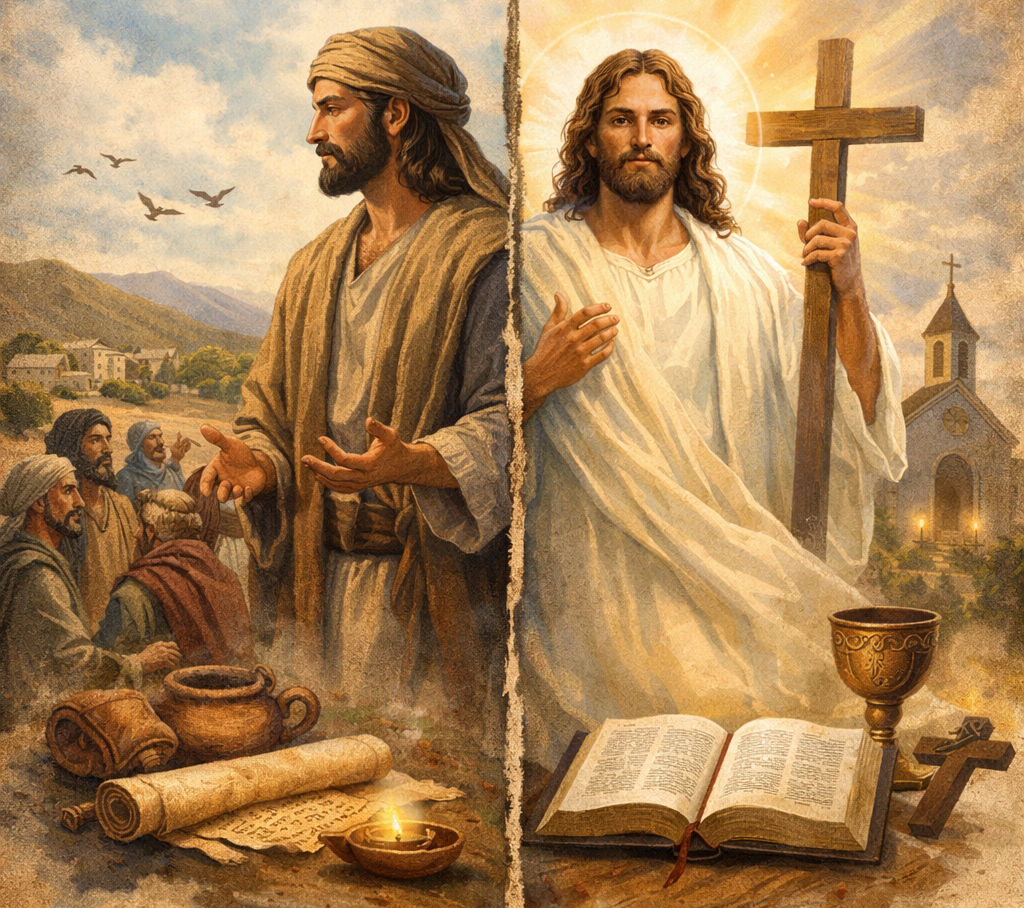
First, apocalyptic eschatology revolves around the final, climactic visitation of God to the earth. In the Old Testament, this visitation was often referred to as “the Day of the Lord.” In fact, there were many “days of the Lord” in the Old Testament, all of which function as typological portends of the final Day of the Lord when God comes in eschatological glory and power. Christian theology believes that this final Day of the Lord began when God came to earth in the incarnate Lord Jesus Christ. He was to be called Emmanuel, which is translated “God with us.” (Matthew 1.23). And the Lord Jesus himself said of Jerusalem, “you did not recognize the time when God visited you.” (Luke 19.44) This is exactly the point, namely that the coming of Christ in his incarnation was the beginning of the apocalyptic visitation of God to the earth. Of course, we know that He is coming again in glory and power to bring to consummation that which he began in His first coming, but the point here is that in Christ, God himself came in climactic apocalyptic visitation.

And this brings me to the second reason why apocalyptic eschatology is the mother of all Christian theology, namely that the first coming of Christ to the earth as a baby in a manger marked the beginning of the end of this corrupt present age. In New Testament theology, this is commonly referred to as the already and the not yet, namely that God’s plan for the final redemption of his people has already begun in Christ but it is not yet complete. Consequently, we live in this in between time of already and not yet, already saved, already filled with the eschatological spirit, already living under the blessings of God’s eschatological salvation in part, but we await the time when Christ will come again to consummate, or to bring to completion, that which he began by his death, resurrection and ascension. This is why Peter, in his Pentecost sermon, can say, “And it will be in the last days, says God, that I will pour out my Spirit on all people.” (Acts 2.17). The underlined phrase marks a change that Peter has applied to his source text (Joel 2.28), which simply says, “After this.” Peter understood that in Christ the last days had begun, and we have been living “in the [apocalyptic] last days” now for 2000 years.

But what about the final judgment of the wicked? Isn’t this something that is still yet future? How can we say that the apocalyptic judgment of the wicked began in Christ at his first coming? The answer is that this is exactly what we must say, as Jesus says in John 12.31-32, “Now is the judgment of this world. Now the ruler of this world will be cast out. As for me, if I am lifted up from the earth I will draw all people to myself.” The verb here, “lift up”, means to lift up on high, to exalt, or to raise to dignity and honor. This is why it is so ironic that John goes on to add the explanatory note, “He said this to indicate what kind of death he was about to die.” (John 12.33) The death of Jesus on the cross is nothing less than his enthronement. By his death, he judges the wickedness of this world and its ruler; He exposes the sinfulness and the ultimate fate of those that would reject him. This is why we can say that the final judgment began in Jesus, because a person’s response to the crucified and risen Christ will determine their eternal fate. In the death of Christ, judgment has begun, and it will be meted out when “the lamb who was slain,” as the Revelation calls him, returns in glory and power.

Finally, apocalyptic eschatology is the mother of all Christian theology because in Christ eschatological salvation has come. Salvation is inherently and irreducibly an eschatological concept. Saved from what, we might ask? We are saved from the eschatological wrath of God toward sin. And in Christ this salvation has broken into this present age and been made available to all those who respond to Christ in faith. This is why Peter refers to Joel’s prophecy to explain the coming of the Spirit at Pentecost, as we saw above. We have been filled with the eschatological Spirit, the seal and sign of the new age. We are new creatures, the fruit of a new creation, in Christ because of the Spirit. This is why the Apostle Paul can say, “Blessed is the God and Father of our Lord Jesus Christ, who has blessed us with every spiritual blessing in the heavens in Christ.” (Ephesians 1.3) Every spiritual blessing, every blessing of the age to come is already ours in Christ. We have been saved. We are being saved. And we will be saved. Apocalyptic salvation has already begun in Christ, and we are partakers of it by His indwelling Spirit.

So, I agree with the sentiments of Ernst Käsemann as expressed above. Apocalyptic eschatology is the mother of all Christian theology, because in Christ the apocalyptic visitation of God has come. All of the rest of our theology must be derived from this point, that the climactic work of God for the salvation of His people and His world has come in Christ. This is the Gospel; this is the good news of our salvation. In Christ, God himself has broken into this present age to redeem his people from their sin and set us free from its bondage, its corruption, even its very presence. And this is why we can have hope.


On the Errors of Full Preterism

Full preterism, or consistent eschatology as it is sometimes called, is the belief that all of the Bible’s prophecies regarding the consummation of God’s plan for the redemption of humanity, including but not limited to the second coming of Jesus, the resurrection, final judgment, and the establishment of the new heavens and the new earth, occurred in 70 AD when the Romans destroyed the temple in Jerusalem. This event in their understanding marked the eschatological transition from the Old Covenant to the New Covenant, meaning that no further fulfillment is necessary. The new has come; it is really and truly here to its fullest extent. There is no need for any further act of God to complete his redemptive purposes in the world.

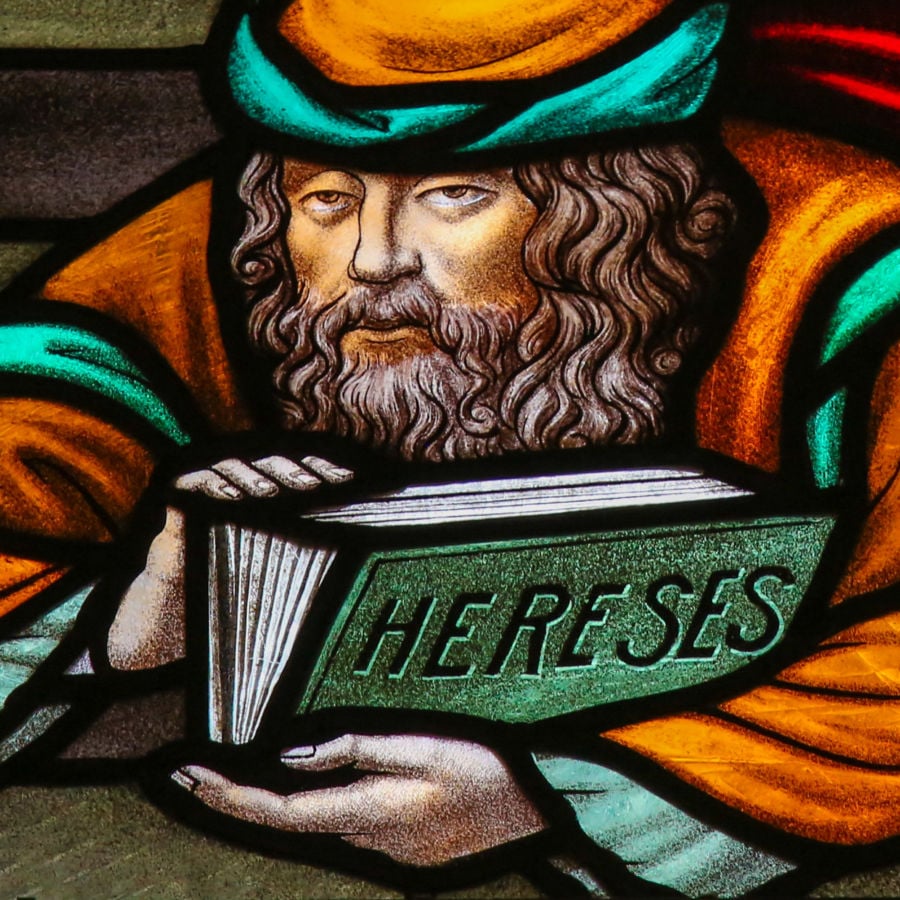
Now, let me be clear, this position is complete and utter heresy. It is a false gospel, because it denies the essential orthodox belief that “He will come again to judge the living and the dead” (Apostle’s Creed). It denies “the resurrection of the dead and the life of the world to come” (Nicene Creed). These denials among others put the views of full preterism wholly outside the boundaries of historic Christian orthodoxy. In the space that remains here, I would simply like to outline a few of the methodological and theological errors that are typical of this view, and then I will conclude by reaffirming the orthodox Christian hope.

The first error of full preterism is that they have a conspiracy theory view of hermeneutical method. In other words, their interpretations are based on a string of loosely related or even unrelated texts that are tied together by the occurrence of similar words. Of course, they would claim that they are following the principle of sola scriptura, namely that “scripture interprets scripture,” but I would submit that this is a theological conviction for biblical interpretation not a hermeneutical method for biblical interpretation. (See my post here). In stringing texts together the way that they do, they completely disregard concerns for the text’s historical and theological context and the author’s flow of thought. Instead, they flatten out the distinctive emphases of particular texts by smashing them together to say that same thing. More often than not, their exegesis comes across like someone throwing paint against a wall and then concluding they’ve painted Mona Lisa.

A second error of full preterism is that they hold to a gnostic view of the human person. Gnosticism is a heresy from the second century CE that suggests that Christ came to save us from this evil material world so that we could throw off the limits of our physical bodies and exist eternally as pure spirit. Of course, there is much more to it than this simple definition, but its weakness is that it disregards God’s design for human beings as embodied souls. We were made with a body and a soul, and to exist without either one of these is to be incomplete from the biblical point of view. This is why the resurrection of the body is such a primary doctrine; we are not merely transformed spiritually, we will be transformed physically when He comes again. Full preterism denies the future bodily resurrection of both the righteous and the wicked, and they suppose that when we die, we either go to heaven or hell to continue on as a “spiritual” being for eternity.

Thirdly, full preterism has an adoptionistic view of the incarnation. Adoptionism, or dynamic monarchianism, is a heresy from the third century CE that suggests that the divine logos came upon the man Jesus as his baptism, left him at his crucifixion, but then came upon him again at his resurrection. In other words, the man Jesus was “adopted” by God at his resurrection. The view of full preterism is not unlike adoptionistic Christology because they seem to believe the body of Jesus was only necessary during his earthly life. Often they suggest that his body was burnt up, or maybe it disappeared, at His ascension, so that He no longer has a body in heaven now. In other words, the son “adopted” a body for as long as he needed it, but then, when he no longer needed it, he discarded it. Along with the gnostic notions discussed above, this position negates the necessity of the resurrection. Why did Jesus even have to be resurrected from the dead with a body? Why not just rise as pure spirit? Here again, this view cannot explain the glorified body of Jesus, because it makes the incarnation temporary.

A fourth error that is part of the full preterist view is that they seem to have a fatalistic view of human history. Since they view this world as it is now as the “new heavens and new earth,” they have no expectation for any kind of renewal or transformation of the created order. According to this view, sin, death, disease, heartache, and the like will continue in perpetuity, eternally, without end. The only escape from the harsh realities of this world is when we die and go to heaven. But a renewed earth free of the corruption of sin and death is not in the purview of full preterism. This is fatalistic, because it essentially says that this is how the world is and this is how it will be. Nothing will ever get better, paradise will never be restored. Among others problems, this perspective denies the original purity and goodness of God’s creation and God’s intent to restore creation to that state of purity and goodness.

The final error that I see with full preterism, and perhaps the greatest, is that it offers a hopeless view of the Gospel. The reason for this is that it does not offer a final and full defeat of sin. Sure, the penalty of sin has been paid on the cross, and Satan has been defeated. But according to the full preterists, Satan and sin continue to run free forever. There is no final end to sin; there is no final defeat of Satan, no final judgment of the wicked. These things continue into perpetuity. The fact of the matter is that this is not the Gospel. Christ came, yes to pay the penalty for our sin, but also to free us from sin, and not only us, but the entirety of His creation. This is why the creation groans with yearning for the revelation of the sons of God (Romans 8.19-22). We look forward to a world that will be free of the domination and corruption of sin, free of the decay of death, where there will be no more tears, no more pains, no more heartaches. This is hope. This is the Gospel. And so we say, “Amen! Come, Lord Jesus!” (Revelation 22.20)

For further study:
On Christian Hope: Heaven or Resurrection
On Eschatology and the Gospel


On How Christians are Different

TEXT

Therefore I, the prisoner in the Lord, urge you to walk worthy of the calling you have received, with all humility and gentleness, with patience, bearing with one another in love, making every effort to keep the unity of the Spirit through the bond of peace. There is one body and one Spirit—just as you were called to one hope at your calling— one Lord, one faith, one baptism, one God and Father of all, who is above all and through all and in all.

Now grace was given to each one of us according to the measure of Christ’s gift. For it says:

When he ascended on high,
he took the captives captive;
he gave gifts to people.

But what does “he ascended” mean except that he also descended to the lower parts of the earth? 10 The one who descended is also the one who ascended far above all the heavens, to fill all things. 11 And he himself gave some to be apostles, some prophets, some evangelists, some pastors and teachers, 12 to equip the saints for the work of ministry, to build up the body of Christ, 13 until we all reach unity in the faith and in the knowledge of God’s Son, growing into maturity with a stature measured by Christ’s fullness. 14 Then we will no longer be little children, tossed by the waves and blown around by every wind of teaching, by human cunning with cleverness in the techniques of deceit. 15 But speaking the truth in love, let us grow in every way into him who is the head—Christ. 16 From him the whole body, fitted and knit together by every supporting ligament, promotes the growth of the body for building itself up in love by the proper working of each individual part.

~Ephesians 4.1-16

Title: On How Christians are Different
Text: Ephesians 4.1-16
Series: The Letter to the Ephesians
Church: South Caraway Baptist Church, Jonesboro, AR
Date: July 23, 2023


On Christ Our Blessing

TEXT

Blessed is the God and Father of our Lord Jesus Christ, who has blessed us with every spiritual blessing in the heavens in Christ. For he chose us in him, before the foundation of the world, to be holy and blameless in love before him. He predestined us to be adopted as sons through Jesus Christ for himself, according to the good pleasure of his will, to the praise of his glorious grace that he lavished on us in the Beloved One.

~Ephesians 1.3-6

Title: On the Blessings of Election and Predestination in Christ
Text: Ephesians 1.3-6
Series: The Letter to the Ephesians
Church: South Caraway Baptist Church, Jonesboro, AR
Date: May 8, 2023


On Theological Discourse, False Teaching, and the Ministry of Rebuke

In my previous post, I began to outline the general contours of a biblical ethic for theological discourse. The ability to discuss questions of theology and biblical interpretation Christianly, especially where there is disagreement, is a primary indication of a person’s maturity in Christ. However, so often in this current cultural climate, godly virtues like humility, gentleness, kindness, love, and grace are glaringly absent from most (online) theological discourse. In addition to that, the proliferation of social media has created a practical cacophony of voices making it nearly impossible to know which ones are faithful and true. As Christians, we are called to contend passionately for the truth, which necessarily includes calling out those errors which are in direct contradiction to the clear teaching of the Bible. And so, the question remains, how can we contend for theological truth without being unnecessarily contentious?

The fact is that false teaching has always been a plague on the people of God. From Mosaic prescriptions that lay out the consequences for those making false prophecies to the writing prophets and their warnings about those who offer false promises of peace and security in the face of judgment to the warnings of the New Testament Gospels and epistles even to Revelation’s descriptions of an eschatological false prophet, the Bible is consistent in calling the people of God to be on guard, always watching our lives and our doctrine closely. However, we are also responsible for the lives and doctrine of each other within the community of faith. We bear a mutual responsibility for each other’s souls as we pursue biblical faithfulness, and when a brother or sister wanders off the path of truth, when they are swept up by the deceptions of false teaching, then we are called to the ministry of a loving rebuke that we may point them back to faithfulness.

The challenge, however, comes in identifying exactly what is and what is not false teaching. It has become common practice it seems to label our theological opponents with ideological and emotionally charged epithets that end up causing more confusion than clarity, which results in even more division. Labels like false teacher, heretic, liberal, etc. simply cannot be thrown around carelessly. Merely holding a different theological conclusion than someone else does not mean that they deserve to be identified as a false teacher. This is why we need a clear definition of what false teaching is. False teaching is any teaching that contradicts the primary and essential truths of the Bible. It is any doctrine that stands contrary to the fundamental essence of the Gospel. This has been the common understanding throughout the history of the church, but it would seem that in the current cultural climate many people have forgotten how to distinguish between friend and foe.

We desperately need to recover the discipline of theological triage. The ability to appreciate what is primary and what is secondary or tertiary is an ability that seems all but lost in most theological discourse. The threat of false teaching only applies at the level of the primary, those core truths that if compromised place one outside of the Christian faith. Historically, these primary doctrines have been defined by the classic creeds of the early church. These creeds (e.g. Apostle’s, Nicene/Constantinopolitan, Athanasian, etc.) were forged in the crucible of theological controversy, so they are helpful in identifying what does and does not constitute false teaching. Of course, they do not replace or supersede the authority and sufficiency of Scripture, but they can be helpful in clarifying the contours of Christian orthodoxy. Clearly, as it was then so also now, any teaching or doctrine that falls outside of these bounds is rightly called heresy or false teaching, and anyone who holds, affirms, or promotes this kind of doctrine must be rebuked for their error. With that being said, in what follows, I would like to outline a few biblical priorities that we must keep in mind as we engage each other in these matters.

The first priority is the priority of the local church. The local church is the primary locus of God’s redemptive and sanctifying work, and this includes the ministry of rebuke. It is in the local church that we are taught sound doctrine. It is in the local church where we submit to pastor-elders who keep watch over our souls. It is in the local church where we hold each other accountable and consider how we might provoke one another to love and good deeds. All of the commands that instruct us to correct and rebuke false teaching are addressed to the local church. This means that the local church is the right and proper context for hammering out our theological differences, for wrestling with the text of Scripture. It should be a safe place where people can ask questions, where they can express their understanding of particular issues and questions without fear of judgment or ridicule, and when necessary, where they can be pointed back to the way of biblical truth by correction or rebuke. In other words, it is not our job as pastors or as church members to police the theology of all Christians everywhere. Rather, it is our job to maintain biblical faithfulness within the context of the local church community where God has placed us.

The second priority is the priority of relationships. Relationships matter. What we must realize is that the Great Commandment to love God and to love people is not two but one. These are two sides of the same coin, to halves of one whole. Loving God necessarily includes loving others, and we can only do this in personal intimate friendships. When these relationships are grounded in mutual love for God and for each another, then and only then can we be assured of a person’s intent, that they are for our good and not for our harm, that they only wants what’s best for us. This unwavering trust is the currency that must be spent in speaking words of rebuke to one another. Outside of this basic assurance of a person’s good intentions, our rebukes will almost always come across as harsh, demeaning, belittling, and divisive. This is why the greater the relational distance that exists between us and our theological opponents, the greater amount of grace we must be willing to show them. This means giving the benefit of the doubt; it means taking our opponents at their word. And it means attributing questions or concerns first to misunderstanding, differing emphases, or lack of clarity before immediately impugning, slandering, and mischaracterizing someone’s biblical fidelity and devotion.

The third priority in the ministry of rebuke is the priority of repentance. Repentance, restoration, reconciliation. This must be the guiding principle, the primary purpose, in every church discipline situation. This is especially so when it comes to the ministry of rebuke. There may be occasions where a stern rebuke is necessary and warranted, but we are not simply trying to win arguments for the sake of being right. We are not engaged in a game where we need to win theological points to defeat our opponents. If false teaching is any doctrine or belief that would invalidate the Gospel, then we cannot pretend that these questions have no consequence. We are engaged in a spiritual battle for the soul, that we might turn them to Christ. This is why doctrine matters; this is why we must contend for the faith. It can never merely be a question of who is right and who is wrong. Every theological conversation must be guided by the primary desire of both parties to be more like Christ, to submit more to Christ, to trust more in Christ. This is why we must be ready and willing to repent and seek forgiveness, and it is why we must engage our theological differences in ways that invite others to do likewise.

And finally, the fourth priority for our theological discourse is the priority of Christlikeness. We are called to demonstrate the virtues of Christian character in every situation, in every interaction, in every conversation. Even when we must speak hard words, we are not permitted to speak them harshly. We cannot give into attitudes like hate, bitterness, or pride. We cannot treat our theological opponents, no matter the severity of their error, with derision or disregard or contempt. We must always seek to “speak the truth in love” even when that truth is confronting. Of course, there are plenty of examples in the Gospels where Jesus had to deliver hard words, and to our ears, his confrontations with the Pharisees may seem downright combative or argumentative. I will consider these examples and how they relate to theological discourse in my next post; however, suffice it say here that tone matters. Even when we must confront those who are descending into grave theological error, we must endeavor to deliver our rebukes with the virtues of Christ-like character, not the least of which are grace, humility, and love.

This post was also posted at SBCvoices, here.


On Theological Discourse, Disagreement, and Division

The legacy of Donald Trump’s term as President of the United States will not be measured in terms of legislation passed, appointments made, or diplomatic accords achieved. It will not be counted by any advancements of the Republican party’s agenda, by any conservative causes that were championed, or by any national or international crises that were averted. No, the lasting influence of the 45th President will only be measured by the bitter division and caustic animosity that has absolutely engulfed our country. It is an insidious sickness that has pervaded every sphere of our public discourse, and sadly, the church is no exception. We are a people divided, perhaps more than ever, and this is much to our shame.

Nowhere has this mood been more evident than in the Christian blogosphere. Interactions between Christians on social media, whether via Twitter, Facebook, blogs, podcasts, etc., have become more and more antagonistic over the past several months. Whether the question has to do with CRT/Intersectionality, COVID restrictions, or with issues related to the role of women in the ministry of the church, Christians on both sides of these issues have been quick to vilify and condemn those with whom they are not in perfect agreement. This trend has resulted in an atmosphere online that is hateful, ugly, and disheartening.

Now, what we must affirm is that discussion, debate, and even disagreement are essential to the theological enterprise. The Scriptures affirm that “Iron sharpens iron, and one person sharpens another.” (Proverbs 27.17) It is through the fires of irenic debate that clarity is achieved, understanding is sharpened, and unity is hammered out. We can see this on vivid display in the Bible in the Book of Acts. In chapter 15, at the Jerusalem Council, the early church leaders met to consider the question of the Gentiles inclusion into the people of God. After hearing both sides of the discussion and airing out differences in reasoning and perspective, truth won the day and a foundation for unity was forged. It is a beautiful picture of the way that theological discussion and debate are beneficial to the church. However, in light of the current climate of anger and animosity, what we need most are clear Biblical principles for theological discourse, and in the space remaining I would like to recommend a few possibilities.

Of course, the Scriptures are replete with principles for how Christians should and should not speak to one another, and while an exhaustive examination of these principles would be beyond the scope of this medium, there is one that it is particularly helpful in the current discussion. In the Letter from James, we find an explicit warning about the power and danger of the tongue (and by extension our typing fingers). Quote:

And the tongue is a fire. The tongue, a world of unrighteousness, is placed among our members. It stains the whole body, sets the course of life on fire, and is itself set on fire by hell. … It is a restless evil, full of deadly poison. With the tongue we bless our Lord and Father, and with it we curse people who are made in God’s likeness. Blessing and cursing come out of the same mouth. My brothers and sisters, these things should not be this way. 

~James 3.6-10

We must agree with James, “These things should not be this way.” Luckily, James has also provided us with a clear prescription for how these things should be, as he writes in chapter 1, verse 19, “My dear brothers and sisters, understand this: Everyone should be quick to listen, slow to speak, and slow to anger, for human anger does not accomplish God’s righteousness.” Quick to listen, slow to speak, slow to anger. If we would merely apply these three principles to our theological discourse, I believe that we could go a long way in helping to stem the tidal wave a anger and bitterness that has absolutely overwhelmed our theological conversations.

Quick to listen. Being quick to listen means listening to our theological opponents first and foremost for the purpose of clarity and understanding. Listening while only thinking of how to counter the point is not listening at all. This also means listening to the whole sermon, or even more than one sermon, reading the whole book or the entire article, not merely responding to one sentence or one segment. It means giving priority to the context in which statements are given, and giving those statements the benefit of the the doubt, assuming that the speaker is genuinely trying to be biblically faithful, Gospel affirming, and Christ honoring. Quick to listen also means seeking out the best proponents of a given position, reading the best scholarship on the issue, interacting with the best evidence and the most robust arguments.

Slow to speak. Being slow to speak means thinking carefully about our response, discerning whether our motive is to build up our opponent or to tear them down. It means refusing to label our opponents with identities meant to disparage rather than clarify. It means being careful not to caricature, misconstrue, or misrepresent the position of our opponents, not bearing false witness by assigning to them motives and agendas that they do not in fact support. Slow to speak also means humbly admitting our ignorance on some issues, acknowledging that we are not all-knowing on every theological issue or question that is raised. It means that we engage each other always out of a position of love, respect, and unity rather than out of anger and animosity.

Slow to anger. Being slow to anger means being slow to outrage, slow to alarm. It means understanding that every theological disagreement does not rise to the level of heresy or false teaching, that our opponents have not departed from the truth once for all delivered to the saints just because they do not see the issue the way that we do. It means discerning the relative importance of the issue at hand, understanding whether a disagreement is a first tier, second tier, or third tier question. It means refusing to malign the sincerity of our opponents faith over issues that are not orthodoxy defining. Slow to anger means refusing hold our opponents in contempt, refusing to criticize, refusing to castigate, refusing to condemn.

Of course, I am already anticipating the push back. You are probably thinking, “Wait a pretty little minute! We are instructed to call out error, to rebuke false teaching, to stand boldly for the truth.” More on this in my next post. However, at this juncture, I would say in response, “yes, the Scriptures do call us to this,” but the manner in which we address our theological disagreements speaks volumes about the Gospel that we profess. When we treat each other as adversaries to be defeated rather than brothers and sisters to be loved, then we betray the very faith we argue so adamantly for. And when the watching world sees nothing but a reflection of itself in us, then we sacrifice all our credibility in calling them to repent and believe in the Savior that we love. As the Apostle Paul would say, “May it never be!”

This post was also posted at SBCvoices, here.


Slow To Write

"let every person be quick to hear, slow to speak, slow to anger."

lovegavehope

Just another WordPress.com site

Jared Cornutt

Pastor | Speaker | Writer

Denny Burk

A commentary on theology, politics, and culture

G3 Ministries

Events + Resources for the Local Church

Biblical Reasoning

Biblical and Systematic Theology According to the Scriptures

RetroChristianity

Reclaiming the Forgotten Faith

SBC Voices

Southern Baptist News & Opinion

Lucid Theology

Thoughts on words, books, theology, and life.

Baptist21

A pastor-led voice for Baptists in the 21st century

Center For Baptist Renewal

The Personal and Professional Blog of Phillip Powers

The Pastor's Well - Pastor Well

The Personal and Professional Blog of Phillip Powers

Articles - AlbertMohler.com

The Personal and Professional Blog of Phillip Powers

The Gospel Coalition

The Personal and Professional Blog of Phillip Powers